
Why Consistent Cleaning Matters More Than Deep Cleaning Alone

Posted by platform81 on May 27, 2026

Why Consistent Cleaning Matters More Than Deep Cleaning Alone

Many businesses only think about cleaning when something looks visibly dirty. A deep clean gets booked, the space looks better for a while, and attention shifts elsewhere. 

Whilst deep cleaning has a genuine role to play, it does not replace regular maintenance. Treating the two as interchangeable is a mistake that leads to a gradual decline in standards.

Routine cleaning and deep cleaning serve different purposes, and understanding that distinction is what separates businesses that maintain genuinely high standards from those that are constantly playing catch-up.

The Difference Between Routine Cleaning and Deep Cleaning

A scheduled daily cleaning contract is what keeps a workplace functional daily. Tasks like vacuuming, surface wiping, washroom maintenance, mopping, and bin emptying are not glamorous, but they are what stop small issues from becoming larger ones. Done consistently, they prevent the kind of build-up that makes a space feel neglected.

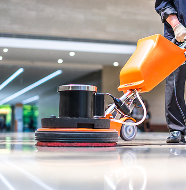
Deep cleaning goes further. Carpet extraction, machine scrubbing of hard floors, high-level cleaning, and the thorough cleaning of kitchens and washroom facilities all fall into this category. Our Technical Services division delivers this kind of specialist work across a wide range of sites. It is valuable, but it is periodic by nature and cannot do the job that daily upkeep is meant to do.

A deep clean carried out on a site with no regular cleaning programme behind it will look good briefly. Without that foundation, it does not last.

Consistent Cleaning Keeps Workplaces Safer

Health and safety outcomes depend on regularity, not intensity. Clean floors reduce slip risks. Clear walkways prevent trips. Sanitised surfaces slow the spread of illness, which matters particularly in the healthcare facilities, care homes, schools, and nurseries we serve.

When cleaning only happens reactively, problems build up between visits. Bins overflow, dust settles, and shared spaces become harder to manage. For a busy school or a GP surgery, that accumulation carries real risk. Consistent cleaning keeps those environments under control

The Hidden Cost of Irregular Cleaning

Beyond the health and safety dimension, inconsistent cleaning takes a toll on the building itself. Hard floors are gradually worn down by grit and debris that is not removed regularly. Upholstery and carpets deteriorate faster when they are not maintained between deeper cleans. Stains that are left to set become far more difficult and costly to treat.

Regular cleaning protects the condition of flooring, furniture, fittings, and equipment over time. That has a direct impact on repair and replacement costs, as well as on how a space comes across to anyone visiting for the first time.

How Cleaning Standards Affect First Impressions

Cleanliness influences how a business is perceived long before any interaction takes place. Clients, visitors, employees, and prospective customers all form opinions based on the condition of the environment around them. Smudged glass, dusty surfaces, marked flooring, or poorly maintained washrooms can quickly undermine confidence in an otherwise professional organisation.

Consistent cleaning helps businesses present a more organised, professional, and well-managed image every day, rather than only immediately after a deep clean has taken place. This is particularly important in sectors such as offices, schools, healthcare facilities, and hospitality environments where cleanliness contributes directly to trust and reputation.

A workplace that is maintained properly on an ongoing basis feels more welcoming, more comfortable to work in, and far more reflective of the standards a business wants to project.

Consistency Creates Better Long-Term Results

One of the biggest misconceptions around commercial cleaning is that occasional intensive work can compensate for inconsistent maintenance. In reality, cleaning standards are much easier to maintain than they are to recover once they begin to slip.

Daily and scheduled cleaning routines create consistency across the entire site. Standards remain stable, issues are identified earlier, and areas that experience heavy use receive the attention they need before wear and deterioration become more noticeable.

This approach also allows deep cleaning services to become far more effective. Rather than being used to restore heavily neglected areas, specialist cleaning can focus on extending the lifespan of surfaces, improving presentation, and maintaining compliance standards. The result is a cleaner, safer, and more manageable environment throughout the year rather than short periods of improvement followed by gradual decline.

Why Businesses Choose Contract Cleaning

Managing cleaning in-house sounds straightforward until it is not. Staff availability changes, standards vary depending on who is working, and without a clear structure in place, things get missed. A contract cleaning arrangement takes that uncertainty out of the picture.

Tasks are carried out on a set schedule, performance can be monitored, and there is a clear point of contact when something needs addressing. 

For the businesses we work with, that reliability translates into less time spent on cleaning logistics and more confidence that the standard of their premises is being maintained without them having to chase it.

deep cleaning & sanitising surfaces

Putting Both Together With ServiceMaster Manchester

Neither type of cleaning replaces the other. Periodic deep cleaning addresses the things that routine maintenance cannot, and routine maintenance preserves the results of a deep clean for far longer than would otherwise be the case. Used together, with daily cleaning as the base, they give a much more complete picture of what a well-managed workplace looks like.

We have been providing commercial cleaning services across Greater Manchester since 1992. 

If you would like to discuss a cleaning programme for your site, call us on 0161 905 3000 or request a free no-obligation quote

1