The Role of Daily Cleaning in Infection Prevention and Control

Posted by platform81 on April 6, 2026

The Role of Daily Cleaning in Infection Prevention and Control

Infection Prevention and Control (IPC) is one of the most critical aspects of managing any healthcare environment. Whether it’s a GP surgery, dental clinic or outpatient facility, maintaining a consistently clean space plays a major role in protecting both patients and staff from the spread of infection.

At ServiceMaster Manchester, we’ve worked alongside healthcare providers for over 30 years, supporting their IPC measures with reliable, CQC-compliant cleaning services. One of the most effective — and often underestimated — ways to reduce infection risk is through daily cleaning.

Why Daily Cleaning Matters

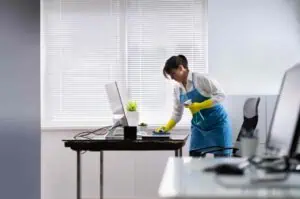
In busy healthcare settings, high-touch surfaces and communal areas quickly accumulate bacteria and viruses. Even if deep cleans are carried out regularly, without a daily cleaning routine, microorganisms can still linger and multiply between visits.

Daily cleaning helps to:

  • Reduce the presence of harmful pathogens on frequently touched surfaces like door handles, reception desks, toilets and waiting room furniture
  • Break the chain of infection, particularly in high-traffic areas
  • Provide a visibly clean environment, which boosts patient confidence and supports your CQC inspection readiness
  • Maintain hygiene standards consistently, not just in response to an outbreak or inspection

The Difference Between Cleaning, Disinfecting and Sanitising

These three terms are often used interchangeably in healthcare settings, but they describe distinct processes that each play a different role in your IPC strategy.

Cleaning removes visible dirt, dust and debris from surfaces using detergent and water. It is the essential first step, because organic matter can shield pathogens from disinfectant chemicals, reducing their effectiveness.

Disinfecting uses chemical agents to eliminate or significantly reduce harmful microorganisms on a surface, and is typically applied to clinical areas, treatment surfaces and high-touch points as part of a daily routine.

Sanitising reduces microbial contamination to a level considered safe by public health standards, and is more commonly used in staff kitchens or food preparation areas within a facility.

A surface that looks clean may still harbour pathogens if disinfection has been skipped or carried out incorrectly. Our teams follow a structured clean-then-disinfect protocol across all healthcare environments, ensuring each stage is completed in the right order, with the right products, in the right areas.

Targeting High-Risk Areas

A strategic daily cleaning schedule should focus on areas that present the highest risk of cross-contamination. This includes:

  • Reception counters and waiting areas
  • Examination rooms and treatment surfaces
  • Washrooms and handwashing stations
  • Staff kitchens and break areas
  • Touchpoints such as light switches, handrails and lift buttons

By targeting these areas regularly, we help reduce the risk of infections spreading between staff, patients and visitors.

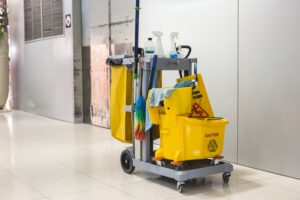
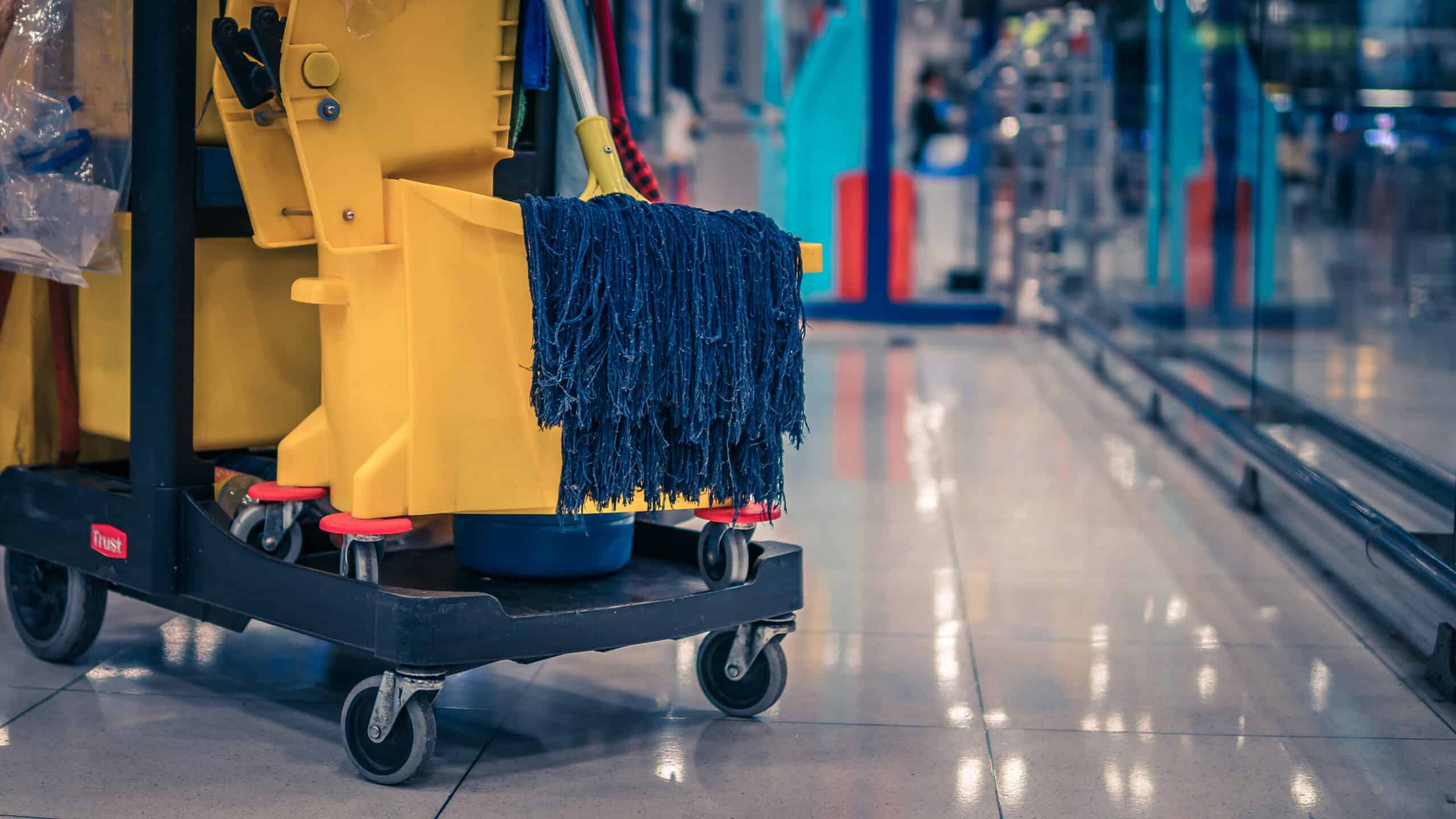
cleaning cart with mop and cleaning tools at a commercial space.

Supporting Your IPC Strategy

While every healthcare provider has their own cleaning protocols, outsourcing your daily cleaning to a professional team ensures consistency, accountability and compliance with national standards.

Our team is trained in healthcare cleaning best practice and works with you to build a bespoke schedule that fits around your operations. Whether you require early-morning, evening or out-of-hours cleaning, we adapt to minimise disruption while maintaining a high level of hygiene.

If you’re reviewing your current IPC approach or preparing for a CQC inspection, our medical and healthcare cleaning services in Manchester can offer the daily support you need.


1